

The Business of TCG Retail: What Makes a Great Trading Card Store Today
The trading card game market has grown far beyond its early days of small hobby shops and weekend tournaments. Today, Pokémon, Magic: The Gathering, and other TCGs exist at the intersection of retail, community, nostalgia, and competitive play. As the market expands, the definition of what makes a great trading card store has changed as well.
Modern players and collectors are no longer just looking for a place to buy packs. They want reliability, transparency, expertise, and a sense that the store understands the culture it serves. That’s why retailers like Danireon stand out in conversations about contemporary TCG retail, not simply as sellers of cards, but as platforms that connect products, knowledge, and community in a way that reflects how the hobby functions today.
The most successful card stores now operate less like traditional shops and more like hubs within a growing ecosystem.
From Hobby Shop to Hybrid Business
For decades, the local card shop followed a familiar model. A physical location, a few display cases, weekly events, and a loyal base of regulars. While this foundation still matters, it is no longer enough on its own.
Today’s TCG retailer often functions as a hybrid business. Physical presence builds trust and community, while an online storefront expands reach and accessibility. Customers expect to browse singles, sealed products, and accessories online with the same confidence they would have in person. They also expect accurate inventory, fair pricing, and fast fulfillment.
This hybrid approach reflects how players actually live. Someone might attend a local tournament on the weekend, then order singles online during the week to fine-tune a deck. Stores that accommodate both experiences seamlessly are better positioned to grow.
Trust as the Core Currency
In trading card games, trust is everything. Cards can be expensive, condition matters, and rarity drives value. A great TCG store understands that every transaction is built on credibility.
Clear product descriptions, honest grading, and transparent pricing are not optional extras. They are the baseline. Customers return to retailers they believe will treat them fairly, especially when dealing with high-value singles or limited releases.
Trust also extends to communication. When stock changes, preorders are delayed, or demand exceeds supply, clear updates matter. Silence erodes confidence faster than almost anything else.
Understanding the Collector and the Player
One of the biggest challenges in TCG retail is serving two overlapping but distinct audiences. Collectors and players often want different things, even when they love the same game.
Collectors may prioritize sealed products, rare singles, and long-term value. Players focus on deck viability, card condition for competitive play, and access to staples. A strong retailer recognizes both perspectives and avoids privileging one at the expense of the other.
This balance shows up in inventory choices, pricing strategies, and content. Educational material, set breakdowns, and card insights help players make informed decisions while also supporting collectors who want to understand market context.
Community Still Matters, Even Online
Despite the rise of e-commerce, the community remains central to the success of TCG retail. What has changed is how that community is expressed.
Online platforms now host discussions, livestream openings, deck techs, and release reactions. Social presence allows stores to stay connected with customers far beyond geographic limits. A strong community presence builds familiarity and loyalty, even when transactions happen digitally.
Physical events still play a role, especially for competitive players, but community today is as much about conversation and shared enthusiasm as it is about in-store play.
Inventory Strategy in a Volatile Market
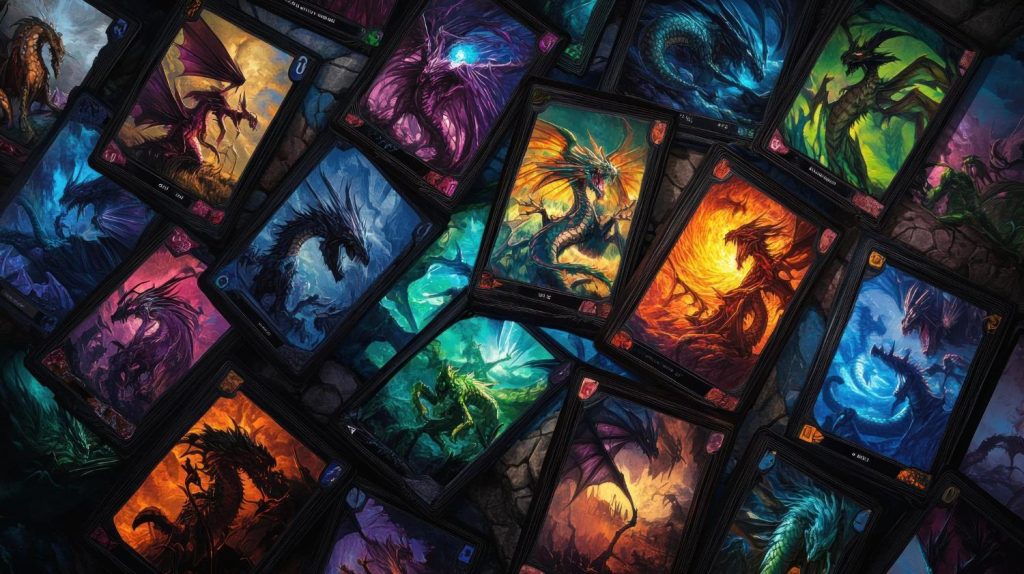
TCG markets move quickly. Reprints, bans, and sudden shifts in popularity can dramatically affect card value. A great trading card store stays informed and adapts its inventory strategy accordingly.
This doesn’t mean chasing every trend. It means understanding which products serve long-term interest and which are short-lived spikes. Stores that manage inventory with care are better equipped to protect both their business and their customers from unnecessary volatility.
Accurate stock management and thoughtful curation also reduce friction. Customers appreciate knowing that what they see listed is actually available and priced with market awareness.
Education as a Value Proposition
The best TCG retailers don’t just sell cards; they help customers understand them. Education has become a key differentiator in a crowded market.
Explaining the difference between card conditions, clarifying set rotations, or offering insights into playability builds confidence, especially for newer players. This educational role lowers the barrier to entry and helps grow the hobby sustainably.
It also positions the retailer as a trusted guide rather than a faceless seller. That distinction matters when customers decide where to spend their money.
Adapting to Nostalgia and New Generations
One of the most interesting dynamics in TCG retail is the overlap between nostalgia-driven adults and younger players discovering the games for the first time. A great store recognizes both audiences and speaks to them without alienating either.
Nostalgia fuels collecting, sealed openings, and long-term interest, while new players bring energy, competition, and future growth. Retailers that acknowledge both timelines create a more resilient business.
This cultural awareness is part of what separates generic sellers from true TCG specialists.
The Broader Retail Context
The evolution of trading card stores mirrors changes across specialty retail more broadly. According to the National Retail Federation, modern specialty retailers succeed by combining product expertise, customer engagement, and omnichannel accessibility. This framework aligns closely with what works in the TCG space, where passion and knowledge are as important as logistics.
Trading card stores that embrace this model are better positioned to navigate market shifts and changing consumer expectations.
What a Great TCG Store Represents Today
At its best, a trading card store is not just a place to buy cards. It is a curator, an educator, a community builder, and a trusted participant in the hobby it serves.
Great TCG retailers understand that their role extends beyond transactions. They help shape how people experience the games they love, whether through fair access to products, clear information, or a sense of belonging within a shared culture.
As trading card games continue to grow in popularity and complexity, the stores that thrive will be those that respect the hobby’s past, adapt to its present, and invest thoughtfully in its future.


