

How Home Design Preferences Are Evolving in Suburban California Communities
Suburban communities across California are experiencing a quiet but meaningful shift in how homes are designed, furnished, and lived in. While these areas have long been associated with space, privacy, and uniform housing styles, recent changes in work patterns, family structures, and lifestyle priorities are reshaping what residents expect from their homes. Design decisions are increasingly driven by adaptability, comfort, and long-term usability rather than adherence to a single aesthetic ideal. Within this context, interiors influenced by curated retail environments such as Urban Living reflect a broader move toward spaces that balance practicality with visual restraint, particularly in homes that must support multiple daily functions.
This evolution is not about dramatic architectural reinvention. Instead, it is defined by incremental, thoughtful changes that allow suburban homes to respond more effectively to modern life.
Interior Flexibility and the Role of Modular Components
One of the most noticeable trends in suburban California interiors is the emphasis on flexibility. Homes are increasingly expected to accommodate remote work, multigenerational living, and shifting routines without constant renovation. Rather than replacing entire rooms or furnishings, residents are turning to modular components that allow spaces to adapt gradually.
Adjusting these elements can subtly change proportions, sightlines, and how light moves through a room. In suburban homes where open-plan layouts are common, small structural changes often have an outsized impact, allowing existing furniture to align more closely with evolving preferences around comfort and visual clarity.
Moving Away From Fixed Design Templates
For decades, suburban housing developments relied heavily on fixed templates, offering variations on a limited set of layouts and finishes. While this approach supported efficiency and consistency, it left little room for personal expression beyond surface-level décor. Today, homeowners are increasingly pushing back against this rigidity.
Design preferences are shifting toward spaces that feel customised rather than pre-determined. This does not necessarily mean maximalist interiors or frequent overhauls. Instead, many residents focus on selective interventions that personalise a home while preserving its overall structure. Adjusting furniture profiles, redefining room functions, or refining material choices allows homes to evolve without sacrificing coherence.
The Influence of Remote and Hybrid Work
Remote and hybrid work have had a lasting influence on suburban home design. Rooms once reserved for occasional use now serve daily professional functions, requiring attention to acoustics, lighting, and ergonomics. In response, residents are favouring furnishings and layouts that can transition between work and leisure with minimal disruption.
This has led to a preference for furniture that is visually neutral yet adaptable, supporting different uses across the day. Design choices increasingly prioritise longevity and versatility, allowing spaces to remain relevant as work patterns continue to evolve.
Comfort as a Design Priority
Comfort has moved from being an assumed benefit of suburban living to a deliberate design objective. Larger homes do not automatically guarantee ease of use, and many residents are reassessing how spaces support daily movement and relaxation. Seating height, circulation paths, and spatial balance are now considered alongside colour and style.
These considerations influence how furniture interacts with architecture. Subtle adjustments to scale and proportion can significantly affect how a room feels, particularly in homes where open spaces can otherwise feel under-defined or underused.
Sustainability and Conscious Material Choices
Environmental awareness is also shaping design preferences in suburban California. Homeowners are increasingly attentive to the lifecycle of materials, favouring durable components that can be maintained or adapted rather than discarded. This mindset supports incremental upgrades over wholesale replacement.
By extending the lifespan of existing furnishings through targeted modifications, residents reduce waste while preserving familiarity and comfort. Sustainability, in this sense, is integrated into everyday decision-making rather than treated as a separate design category.
The California Energy Commission has consistently highlighted the role of thoughtful design in improving residential efficiency and long-term livability, noting that homes designed to adapt over time tend to support more sustainable living patterns. While their focus often centres on energy use, the broader principle of adaptability aligns closely with evolving interior design choices.
Blending Indoor and Outdoor Living
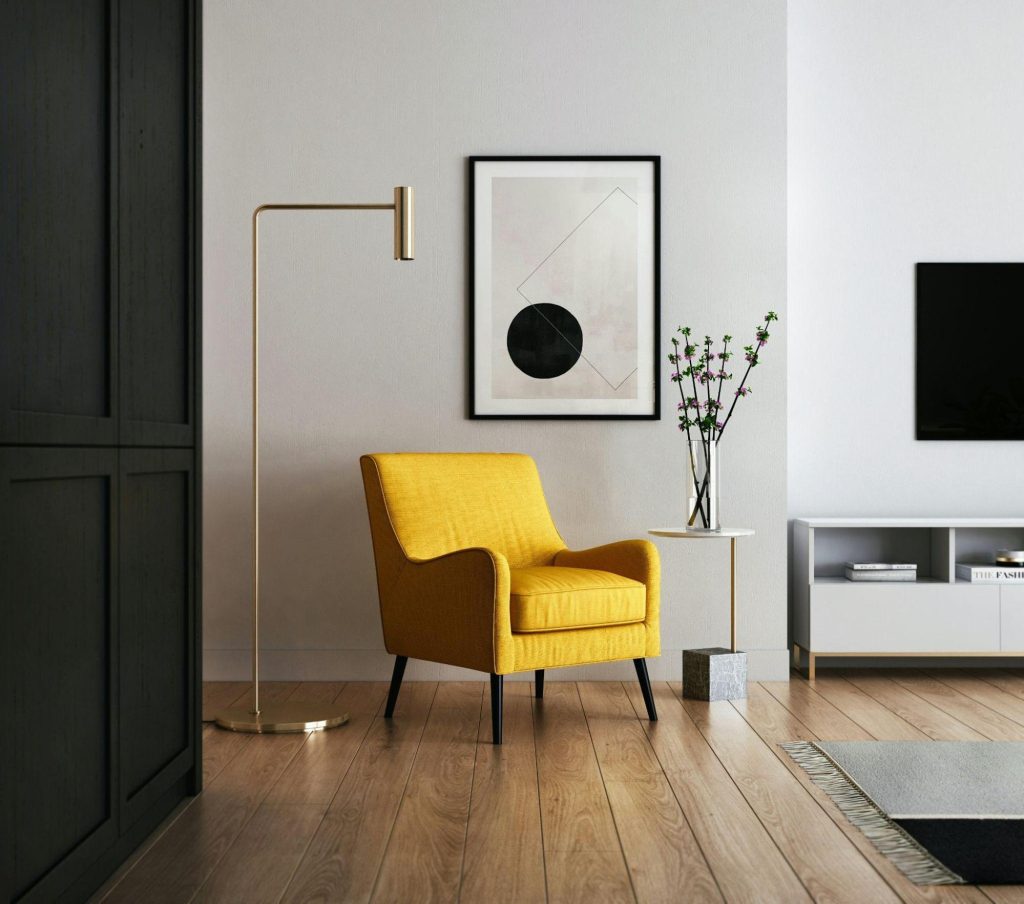
Suburban California homes often benefit from closer relationships between indoor and outdoor spaces. Design preferences increasingly reflect this by creating visual and functional continuity between interiors and gardens, patios, or terraces. Furniture selections, materials, and proportions are chosen to support this flow rather than disrupt it.
In practice, this means interiors that feel lighter, less segmented, and more responsive to natural light. Furniture that can be subtly adjusted in height or profile helps maintain alignment with architectural features such as sliding doors or outdoor sightlines.
Multigenerational Living and Shared Space Planning
Another factor influencing suburban design is the rise of multigenerational households. Homes that once served a single nuclear family may now accommodate aging parents, adult children, or extended relatives. This shift places new demands on privacy, accessibility, and shared spaces.
Design preferences in this context lean toward flexibility and neutrality. Rather than committing to highly specific styles, homeowners opt for adaptable layouts that can support changing needs without frequent redesign. Furniture and interior elements are chosen for their ability to evolve alongside household dynamics.
Economic Considerations and Long-Term Value
Economic realities also play a role in shaping design decisions. Rising housing costs and interest rates have made moving less attractive for many households, increasing the incentive to invest in existing homes. Design upgrades are evaluated based on long-term value rather than immediate visual impact.
This pragmatic approach favours modifications that enhance comfort, usability, and resilience. Instead of trend-driven purchases, homeowners increasingly prioritise elements that will remain relevant across years of use.
Personal Identity and Subtle Expression
Despite these practical considerations, personal expression remains central to home design. Suburban homeowners are finding ways to reflect identity through subtle choices rather than overt statements. Small adjustments to form, proportion, and material often communicate taste more effectively than decorative excess.
This restraint aligns with a broader cultural shift toward intentional living, where fewer, well-considered elements carry greater significance. Homes become reflections of lived experience rather than showcases of aspiration.


