

How Smart Home Features Are Becoming Part of Lifestyle Aesthetics
Smart home technologies were once advertised primarily for convenience and efficiency. Today, however, they play a much broader role in how people conceive of domestic spaces, not just as functional environments, but as extensions of personal style and lifestyle values. As devices become more integrated, subtle, and design-aware, the boundary between utility and aesthetic expression has grown increasingly blurred.
In discussions that compare products and ecosystems, tools like Mysa often surface as examples of how smart home features are evaluated both for performance and how well they fit into a curated interior. The growing interest in smart thermostats, lighting systems, and climate control is not purely about automation; it reflects a desire for technology that complements habit, space, and identity.
Understanding how and why smart home features have shifted toward lifestyle aesthetics offers insight into broader changes in consumption, design values, and daily experience.
The Evolution of Smart Home Technology
Early generations of smart home technology focused squarely on capability. Programmable thermostats promised energy savings. App-controlled lights offered remote access. Security cameras sent alerts. These features were appealing primarily on practical grounds: convenience, cost savings, and control.
As the underlying technologies matured, faster wireless connectivity, smaller sensors, and more intuitive interfaces, designers and consumers began to consider additional layers of value. Smart devices stopped existing only as tools and started appearing as visible elements of interior space. Their design aesthetic, colour, shape, interface, began to matter as much as their capabilities.
This move toward design awareness parallels trends in other consumer electronics, where promise of performance is increasingly accompanied by expectations of form, feel, and integration.
Why Aesthetics Matter in Smart Devices
Devices that occupy visible places in the home, thermostats on walls, speakers on shelves, sensors near door frames, are now judged by two standards: how well they work and how well they look. When a gadget becomes a permanent or semi-permanent fixture, it contributes to the overall visual language of a room. What was once tolerated for its functionality is now curated for how it complements design choices.
In practical terms, this shift means that manufacturers invest in aesthetic design as seriously as engineering. Minimalist interfaces, neutral colour schemes, and sleek hardware signal that a device can belong with mid-century furniture or contemporary architecture without feeling out of place.
For many consumers, these considerations are not superficial but integral to how the home is experienced and presented.
Smart Functionality Meets Interior Language
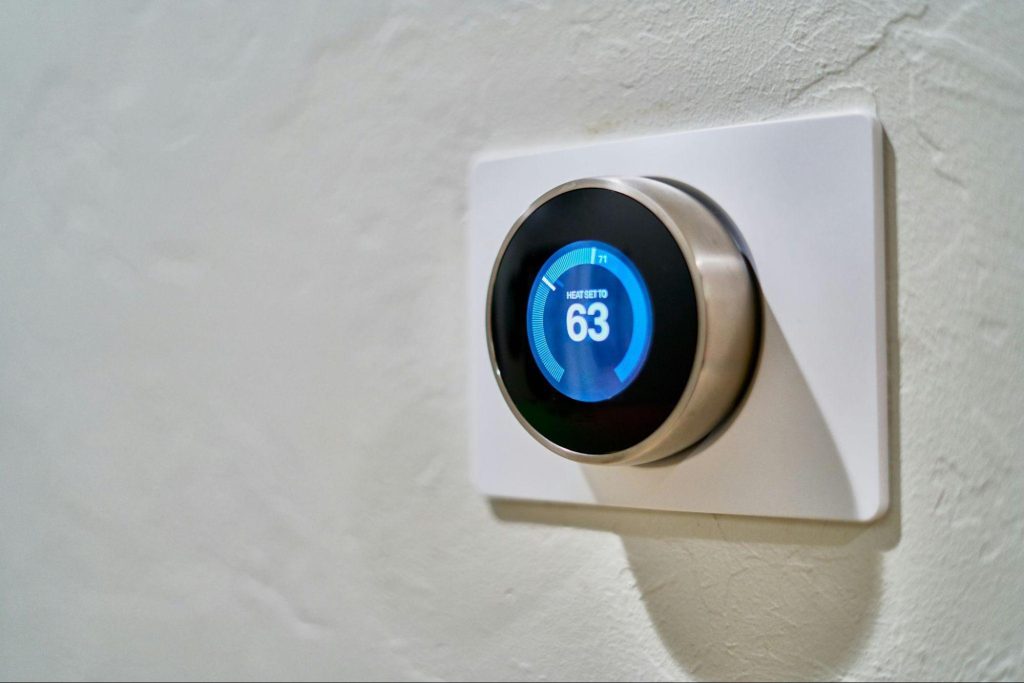
A thermostat or climate controller used to be hidden behind a cover or placed in a utility closet. With the rise of smart devices, these components have surfaced into everyday sight lines. As a result, their appearance matters.
This integration is not merely decorative. Thoughtful design can reduce the psychological barrier that some people feel toward adopting technology. A device that looks elegant or familiar may be less intimidating than one that feels purely technical.
Smart home products are increasingly designed with this dual purpose in mind: performing a function and contributing to visual harmony.
Personalisation and Expression
One reason smart home technology aligns so well with lifestyle aesthetics is that it enables personalisation at a granular level. Lighting can shift throughout the day to support mood, climate control can reflect seasonal or personal preferences, and interfaces can be customised to match décor.
Personalisation itself has become a form of expression. Rather than accepting the default white-plastic gadget, consumers now seek devices that resonate with their sense of style, black or brass finishes, custom displays, or even forms that echo familiar objects from other domains of design.
This reflects a broader cultural shift: technology is no longer just utilitarian, it is a medium through which personal taste is expressed.
From Efficiency to Experience
Underlying the aesthetic shift is a deeper reorientation of values: from efficiency as the primary goal to a more holistic conception of experience. Smart home features still deliver efficiency, lower energy bills, automated routines, predictive adjustment, but they increasingly contribute to how a space feels.
Experience, in this sense, includes emotional and sensory elements. Users may prefer soft lighting in the evening not because it is energy-efficient, but because it feels calming. A smart thermostat may be set not only to save money but to create a comfortable environment that reflects personal preferences developed over time.
The blending of efficiency with experience is a defining characteristic of lifestyle-oriented technology.
Social Context and Shared Spaces
Another reason smart home aesthetics have become more prominent relates to how spaces are shared. Homes are increasingly sites of social interaction as remote work and flexible schedules grow more common. Visitors, roommates, partners, and families all experience the same environment, making design choices more socially visible.
Smart devices that are well integrated into their surroundings can reinforce a sense of intentionality. A room that looks cohesive signals care and attention to detail in ways that extend beyond furniture and paint colours.
In this context, smart home features contribute to a shared narrative about how inhabitants live, work, and relax.
Trust, Transparency, and Design
While aesthetics play a role, they exist alongside other contemporary priorities such as transparency and trust. Consumers want to understand how their devices work, what data they collect, and how that data is used. This desire for clarity parallels interest in design: both stem from a wish to integrate technology into life without sacrificing agency.
According to research highlighted by the Consumer Technology Association, design considerations, including aesthetics, ease of use, and perceived quality, significantly influence adoption rates of smart home technology. Consumers are more likely to embrace devices they perceive as thoughtful in both form and function.
This suggests that aesthetics are not ornamental, but instrumental in shaping consumer behaviour.
The Role of Cross-Disciplinary Collaboration
The blending of lifestyle aesthetics with smart home technology is also a product of cross-disciplinary design thinking. Engineers, industrial designers, interior designers, and UX researchers are collaborating in ways that were less common in early smart product development.
This collaboration results in technology that is not only capable but context-aware. Devices now anticipate user needs, integrate visual language from interior design trends, and align with broader movements in consumer electronics toward simplicity and harmony.
It reflects an industry shift from isolated product design toward ecosystem thinking.
Future Directions in Smart Aesthetics
Looking forward, the trend of aesthetics influencing technology is likely to continue. As homes become smarter, the boundaries between utility devices and decorative objects will blur further. Some devices may become modular, swappable, or customizable in appearance to match evolving style trends.
This could extend into fabrics, surface materials, and even responsive environments that change colour or texture based on conditions or preferences.
What remains clear is that smart home technology is no longer an afterthought in interior design, it is becoming central to how spaces are experienced and personalised.
Integration, Identity, and Everyday Life
Smart home features have moved beyond being mere technical aids. They are now part of how people curate their daily environments, express their identities, and shape the rhythms of life at home. Whether through elegant thermostats, adaptable lighting, or intuitive control systems, technology and design are increasingly woven together.
This integration reflects a broader cultural shift toward environments that are not just functional, but meaningful, spaces that support efficiency, comfort, and personal expression in equal measure.
In a world where technology is pervasive yet personal, aesthetics are no longer an afterthought. They have become part of the very definition of what it means to live well at home.


