

The Science of Skin Renewal: What Your Skin Actually Needs
Skincare advice has never been more accessible, or more confusing. Social media trends, influencer routines, and product marketing often send mixed messages about what healthy skin really requires. Many people jump between products without fully understanding how their skin functions. That’s why educational guides from Naturopathica on cleansing versus exfoliating have become increasingly valuable for people trying to build smarter routines rather than simply chasing trends. When people learn the difference between supporting their skin and overstimulating it, their results often improve dramatically.
At its core, skin health is not about perfection. It’s about balance. The skin is a living organ that constantly renews itself, protects the body, and responds to its environment. Understanding how it works helps us treat it with more respect, and often, more simplicity.
Your Skin Is Already Designed to Renew Itself
The outermost layer of your skin, the epidermis, is in a constant cycle of renewal. New cells form in deeper layers and gradually move upward, replacing older cells that shed naturally. This process, called skin cell turnover, typically takes about four weeks in healthy adults, though it can slow with age or stress.
Problems arise when dead skin cells don’t shed evenly. That can lead to dullness, clogged pores, or rough texture. But the solution isn’t always aggressive exfoliation. In fact, overdoing it can weaken the skin barrier and cause irritation.
Cleansing vs. Exfoliating: Not the Same Job
Many people confuse cleansing and exfoliating, using products interchangeably when they serve very different roles.
Cleansing removes dirt, oil, sweat, and pollutants from the skin’s surface. It prepares the skin to absorb other products and prevents buildup that can clog pores. A good cleanser should leave skin comfortable, not tight or stripped.
Exfoliating, on the other hand, removes dead skin cells. This can be done physically (with scrubs) or chemically (with acids or enzymes). Exfoliation can brighten skin and improve texture, but it needs to be done thoughtfully.
Using exfoliants too often can disrupt the skin’s protective barrier. That barrier helps retain moisture and keep irritants out. When it’s compromised, skin becomes more sensitive and prone to redness or breakouts.
The Skin Barrier: Your Built-In Shield
The skin barrier is a thin but powerful defense system made up of lipids and tightly packed skin cells. It locks in hydration and blocks environmental stressors.
When people overload their routines with strong acids, harsh scrubs, or too many active ingredients, the barrier can weaken. Signs of damage include dryness, stinging, flaking, or sudden sensitivity to products that once felt fine.
Repairing the barrier often requires scaling back, fewer actives, more hydration, and gentler care. Sometimes the most effective skincare move is doing less.
What Dermatology Experts Emphasize
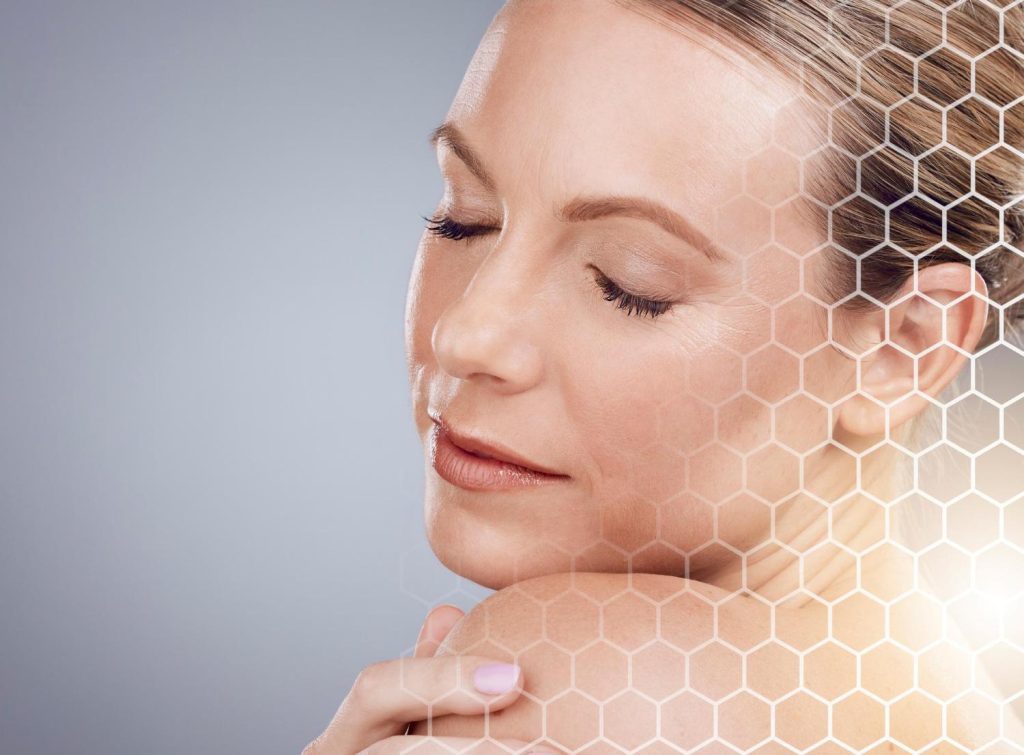
Dermatologists consistently stress consistency over intensity. According to the American Academy of Dermatology, gentle skincare routines are often more effective long-term than aggressive approaches. Their guidance highlights using mild cleansers, moisturizing regularly, and applying sunscreen daily as foundational steps for healthy skin.
This advice may sound basic, but it’s grounded in research. Skin thrives on routines that support its natural function rather than forcing rapid change.
The Over-Exfoliation Trend
One modern skincare myth is that more exfoliation equals better skin. In reality, excessive exfoliation can create the very problems people are trying to fix.
When skin feels rough or looks dull, it’s tempting to scrub or peel more often. But dullness is sometimes a sign of dehydration, not buildup. In that case, exfoliation won’t solve the root issue, hydration will.
Many skincare professionals now recommend exfoliating just once or twice a week for most skin types. Some sensitive skin types may need even less.
Listening to Your Skin
Skin communicates clearly when we pay attention. Tightness, burning, or persistent redness are signs to slow down. Healthy skin typically feels comfortable, balanced, and resilient.
Instead of copying someone else’s routine, it helps to observe how your own skin reacts. Climate, diet, sleep, and stress all play roles. Skincare is personal because skin is personal.
Building a Smarter Routine
A balanced routine doesn’t need to be complicated. Often, it includes:
- A gentle cleanser suited to your skin type
- A hydrating moisturizer
- Daily sunscreen
- Occasional exfoliation when needed
Serums and treatments can be helpful, but they should serve a purpose rather than fill space on a shelf. The goal isn’t to do everything. It’s to do the right things consistently.
Skin Health Is Long-Term Care
Healthy skin is the result of steady habits, not quick fixes. Trends will always come and go, but the fundamentals remain. Cleanse gently, exfoliate wisely, protect daily, and hydrate often.
People who shift from aggressive routines to supportive ones often notice their skin becoming calmer and more predictable. That’s because they’re working with their skin instead of against it.
In the end, skincare is less about chasing flawless skin and more about maintaining resilient, comfortable skin that can handle everyday life. When you understand the science behind renewal and protection, you’re better equipped to make choices that truly benefit your skin. And sometimes, the most powerful routine is simply a thoughtful one.

