
Why Design Matters in Assistive Technology
For a long time, assistive technology has been treated as something purely functional. Devices were built to solve a problem, and aesthetics were considered secondary, if they were considered at all. The assumption was simple: if something works, design doesn’t matter. But lived experience tells a different story. How a device looks, feels, and integrates into daily life often determines whether people actually use it.
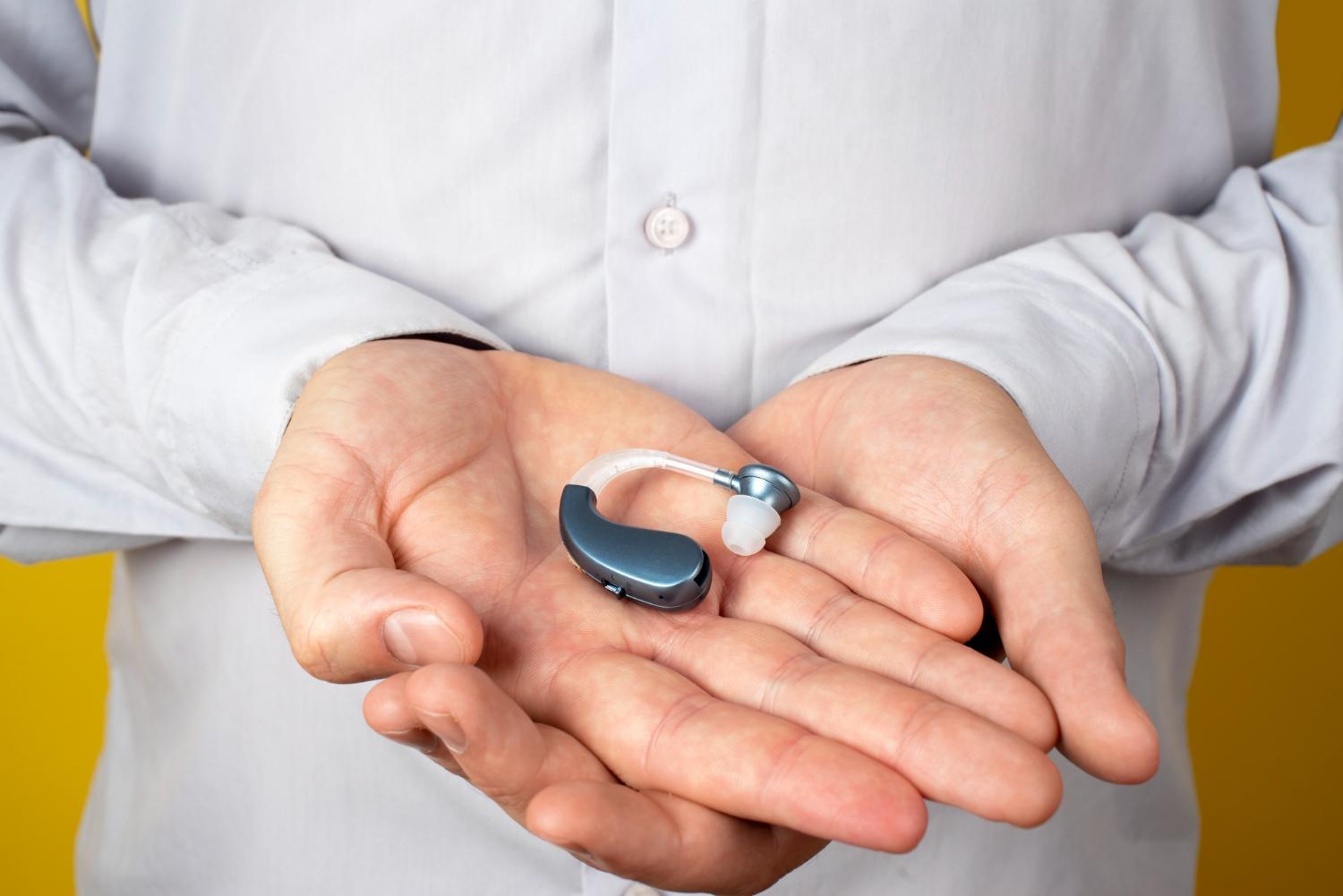
This shift in thinking is especially visible in hearing care. As conversations around accessibility evolve, people are no longer willing to accept products that feel clinical, awkward, or stigmatizing. That is why interest in stylish hearing aids for sale has grown, reflecting a broader expectation that assistive devices should support confidence and identity, not quietly undermine them. Design, in this context, becomes part of care rather than decoration.
Assistive technology does not exist in isolation. It lives on bodies, in homes, and within social spaces. Design determines how comfortably it does so.
Design Influences Adoption More Than We Admit
One of the biggest challenges in assistive technology is adoption. Many devices that could meaningfully improve quality of life go unused or are adopted far later than necessary. This delay is rarely about effectiveness alone. More often, it is about discomfort, embarrassment, or resistance to what the device represents.
Design plays a crucial role here. A product that feels intrusive or visually conspicuous can reinforce the idea that something is “wrong” with the user. When assistive technology looks outdated or medicalized, it can intensify stigma rather than reduce it.
By contrast, thoughtfully designed devices feel intentional. They blend in, or even enhance, personal style. This reduces psychological friction and makes people more willing to seek help earlier rather than waiting until problems become unavoidable.
The Emotional Side of Function
Functionality and emotion are not separate domains. A device may technically solve a problem while still creating emotional strain. Assistive technology is often worn or used continuously, which means its emotional impact compounds over time.
Design affects how users feel about themselves. When a device feels discreet, modern, and aligned with personal preferences, it supports a sense of autonomy. When it feels clunky or conspicuous, it can become a constant reminder of limitation.
Good design respects the user’s dignity. It acknowledges that people do not want to feel defined by what they need support with. Instead, they want tools that quietly assist while allowing them to remain fully themselves.
Why Hearing Technology Highlights This Shift
Hearing aids offer a clear example of why design matters. Hearing loss often develops gradually, and many people delay seeking support even when they struggle daily. One of the most common reasons for this delay is fear of how hearing aids will look and what they will signal to others.
Modern design challenges this fear. Smaller profiles, neutral tones, and wearable-inspired aesthetics have reframed hearing aids as lifestyle-compatible devices rather than markers of decline. This reframing has real consequences. When people feel less self-conscious, they are more likely to address hearing changes earlier, improving long-term outcomes.
Design does not replace function, but it unlocks access to it.
Assistive Devices as Everyday Objects

The most successful assistive technologies are those that feel like everyday objects rather than special equipment. Glasses are a familiar example. Once heavily stigmatized, they are now fashion accessories as much as medical tools. This shift did not happen because vision changed, but because design did.
Hearing technology is following a similar path. As devices become more visually refined, they move out of the category of “medical necessity” and into the realm of personal choice. This transition makes a difference in how people relate to them.
When assistive technology feels normal, it stops being something users have to explain or justify.
Design as a Form of Accessibility
Accessibility is often discussed in technical terms, but design itself is a form of access. If a device feels intimidating, difficult to use, or socially uncomfortable, it creates a barrier even if it is affordable and effective.
Good design lowers these barriers. Clear interfaces, intuitive controls, comfortable materials, and thoughtful aesthetics all contribute to usability. When people feel confident using a device, they are more likely to integrate it into daily routines.
This matters because consistency is essential for assistive technology to be effective. Design supports consistency by making use feel natural rather than forced.
The Social Dimension of Design
Assistive technology exists within social environments. Conversations, workplaces, family gatherings, and public spaces all influence how devices are perceived and experienced.
Design shapes these interactions. A discreet, well-designed device often goes unnoticed, allowing social dynamics to remain unchanged. This reduces awkwardness and preserves natural communication flow.
Over time, this ease reinforces positive experiences, encouraging continued use. Poor design, by contrast, can introduce tension, drawing unwanted attention or requiring explanation.
What Research Suggests
Design-centered approaches are increasingly supported by research. According to the World Health Organization, user-centered design is a critical factor in improving adoption and effectiveness of assistive technologies. When devices are designed around real human needs, including emotional and social considerations, outcomes improve significantly.
This reinforces a key idea: design is not superficial. It is functional at a deeper level.
Confidence and Self-Perception
Confidence plays a central role in how people engage with assistive technology. When users feel confident, they are more likely to advocate for themselves, participate socially, and remain engaged in daily activities.
Design supports this confidence by aligning assistive devices with personal identity rather than positioning them as exceptions. When a device feels like it belongs, the user feels like they belong.
This alignment has long-term implications for wellbeing, especially in technologies related to communication, mobility, and sensory support.
The Future of Assistive Technology
As assistive technology continues to evolve, design will only become more important. Advances in materials, miniaturization, and digital integration offer new opportunities to create devices that are both effective and emotionally supportive.
The future is not about hiding assistive technology, but about normalizing it. Good design makes this possible by reframing support as enhancement rather than limitation. When design is prioritized, assistive technology becomes easier to accept, easier to use, and easier to live with.
More Than Looks
Ultimately, design in assistive technology is about respect. It respects the user’s experience, their social reality, and their desire to feel capable rather than compromised. It acknowledges that people do not separate function from feeling in their daily lives.
When assistive devices are designed with intention, they stop being reminders of what is missing and start becoming tools for fuller participation. That is why design matters. Not because it makes devices prettier, but because it makes them human.


