

Why Preventive Car Maintenance Saves Drivers Money Long-Term
For many drivers, car maintenance feels like a reactive task, something you deal with only when a warning light appears or a strange noise starts. But experienced mechanics often say the opposite approach works best: small, preventive steps today can prevent major expenses tomorrow. That’s why more drivers are educating themselves through resources like My Garage Supplies, which explains common maintenance topics such as the difference between wheel balancing and alignment. When people understand how their vehicles work, they’re better equipped to avoid unnecessary wear and costly repairs.
Preventive maintenance isn’t about being overly cautious. It’s about recognizing that a car is a system where small issues can grow if ignored. The good news? Most preventive care is straightforward and far less expensive than emergency repairs.
The True Cost of “Waiting Until It Breaks”
Many car owners delay maintenance because the vehicle seems to run fine. But problems often develop gradually. Tires wear unevenly, fluids degrade, and suspension components experience stress over time.
Waiting until a part fails usually means paying for:
- Larger repairs
- Towing costs
- Lost time without a vehicle
- Potential safety risks
In contrast, routine maintenance spreads costs out in smaller, manageable amounts. It also reduces the chance of sudden breakdowns.
Tires: Where Prevention Pays Off Quickly
Tires are one of the clearest examples of preventive care paying dividends. Proper inflation, rotation, and alignment-related services help tires wear evenly. Uneven wear shortens lifespan and reduces fuel efficiency.
When tires wear prematurely, drivers replace them sooner than necessary. That alone can cost hundreds of dollars more over a vehicle’s life.
Well-maintained tires also improve handling and braking. That translates directly to safety.
Fluids Are the Lifeblood of a Vehicle
Engine oil, transmission fluid, brake fluid, and coolant all play vital roles. They lubricate, cool, and protect internal components.
Skipping fluid changes can lead to:
- Increased engine friction
- Overheating
- Component corrosion
- Reduced performance
Fluid maintenance is relatively inexpensive compared to engine or transmission repairs. Yet it’s one of the most commonly postponed services.
Small Noises Are Early Warnings
Drivers sometimes ignore squeaks, vibrations, or pulling sensations. These signals often point to minor issues in early stages.
For example:
- A vibration might relate to tire balance
- Pulling could indicate alignment or suspension concerns
- Squealing may point to brake wear
Addressing these early usually means simpler fixes. Ignoring them can cause related parts to wear out faster.
Fuel Efficiency and Maintenance
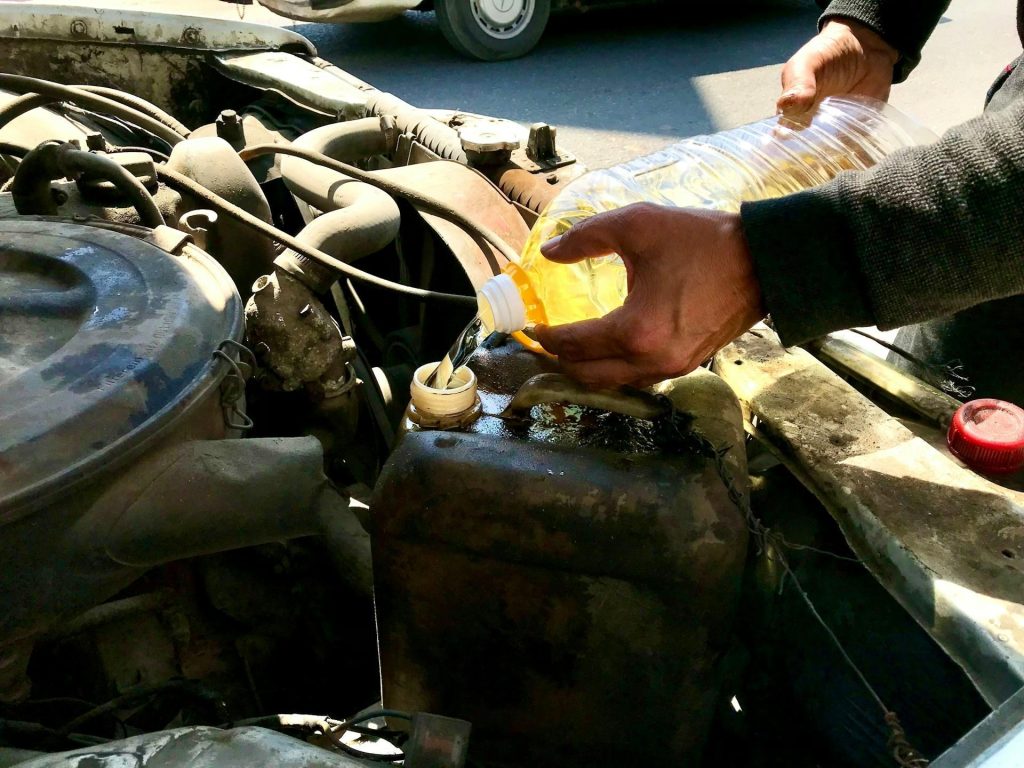
A well-maintained vehicle runs more efficiently. Clean filters, proper tire pressure, and tuned systems reduce fuel consumption.
Over time, even small efficiency gains add up. Spending a bit on maintenance can reduce ongoing fuel costs, something many drivers overlook.
In this sense, maintenance isn’t just an expense; it can be a cost-control strategy.
Safety Is a Financial Factor Too
Safety and finances are connected. A poorly maintained car increases the risk of accidents or roadside failures.
According to the National Highway Traffic Safety Administration (NHTSA), vehicle-related factors such as tire issues and brake problems contribute to many preventable crashes each year. While not all are due to maintenance neglect, proper care reduces risk.
Avoiding one accident can save far more than years of routine service costs.
Resale Value Benefits
Cars with documented maintenance histories often sell for higher prices. Buyers feel more confident purchasing a vehicle that’s been cared for.
A consistent maintenance record signals responsibility. It shows that the vehicle likely avoided excessive wear or hidden issues. For owners who trade in or resell, this can mean noticeably better returns.
The Psychology of Preventive Care
Preventive maintenance also reduces stress. Drivers who stay ahead of issues worry less about breakdowns during trips or commutes. There’s peace of mind in knowing your vehicle is reliable. That confidence is hard to measure but easy to appreciate.
Building a Simple Maintenance Habit
Preventive care doesn’t require deep mechanical knowledge. Basic habits go a long way:
- Follow service intervals in the owner’s manual
- Check tire pressure monthly
- Pay attention to new noises or handling changes
- Schedule inspections before long trips
- Keep records of completed services
These steps take minimal time but protect long-term value.
Modern Cars Still Need Care
Some drivers assume newer vehicles need less maintenance. While modern cars are more reliable, they still experience wear and tear.
Technology can even make repairs more expensive when issues are ignored. Sensors and integrated systems often depend on basic components functioning well. Preventive care remains relevant regardless of vehicle age.
The Long-Term View
It helps to think of maintenance as an investment rather than a cost. Spending a little regularly protects against large, unpredictable bills.
Over a decade of ownership, the difference can be substantial. Well-maintained vehicles often last longer, perform better, and cost less overall.
Preventive car maintenance is one of the simplest ways drivers can protect both their safety and their wallets. It turns unpredictable repairs into planned care and extends the useful life of a vehicle.
Understanding basic topics, from tire services to fluid care, empowers drivers to make smarter decisions. Reliable information and consistent habits make a noticeable difference over time.
In the end, the goal isn’t perfection. It’s awareness. A little attention today can prevent a lot of trouble tomorrow, keeping both your car and your budget in better shape for the road ahead.

