

Smarter Yard Cleanup: How Homeowners Are Managing Green Waste Better
Yard work used to be simple: rake leaves, bag clippings, drag branches to the curb, and let collection services handle the rest. But today’s homeowners are rethinking that approach. With rising interest in sustainability, composting, and efficient property maintenance, more people are exploring better ways to manage yard debris. That’s why guides comparing tools like a wood chipper or mulcher are getting attention, homeowners want to know how to turn waste into something useful rather than just throwing it away. Yard cleanup is no longer just a chore; it’s becoming part of smarter home care.
Modern landscaping is about more than appearances. It’s about soil health, environmental responsibility, and long-term property value. And how you handle green waste plays a bigger role than many realize.
The Hidden Impact of Yard Waste
Grass clippings, leaves, and branches might look harmless, but when disposed of improperly, they contribute to landfill volume and greenhouse gas emissions. Organic matter trapped in landfills breaks down without oxygen, producing methane, a potent greenhouse gas.
Many municipalities now encourage composting or green waste recycling for this reason. But even with collection programs, transportation and processing still require resources. That’s one reason homeowners are starting to handle more yard waste on-site.
Turning Debris Into a Resource
What used to be considered trash can actually improve your landscape. Mulch and compost enrich soil, retain moisture, suppress weeds, and support healthier plant growth. Instead of buying bags of mulch, some homeowners are producing their own from fallen branches and trimmings.
This shift saves money over time and reduces environmental impact. It also creates a closed-loop system where yard materials return to the soil they came from.
Why DIY Landscaping Is Growing
Several trends are driving this shift:
Rising landscaping costs: Professional services can be expensive
Sustainability awareness: Homeowners want eco-friendly practices
Gardening popularity: More people are growing plants and vegetables
Property pride: Well-maintained yards boost curb appeal
DIY doesn’t necessarily mean doing everything manually. It often means using the right tools to work smarter.
Choosing the Right Equipment
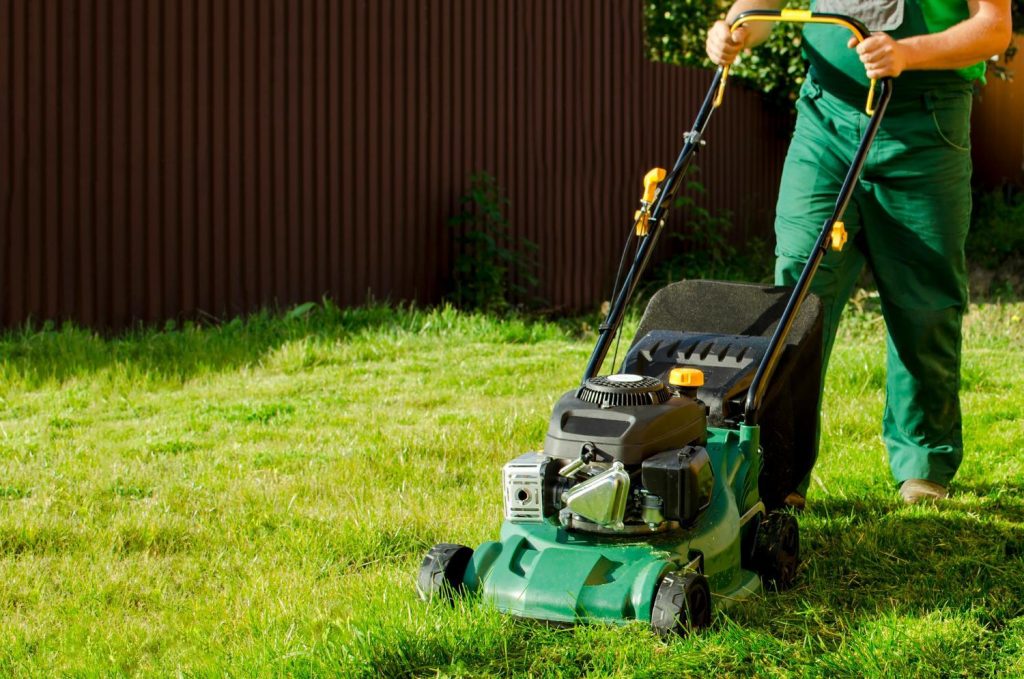
Yard equipment has evolved significantly. Today’s tools are more efficient, quieter, and easier to use than older models. Electric and battery-powered options are also reducing noise and emissions.
When dealing with branches and woody debris, processing material on-site can be more practical than hauling it away. The choice of equipment depends on yard size, debris type, and how the material will be reused.
Some homeowners simply want volume reduction. Others want usable mulch. Understanding your goal helps determine the best solution.
What Research Suggests About Mulching
The U.S. Environmental Protection Agency promotes composting and mulching as effective ways to reduce household waste and improve soil quality. Their guidance highlights how organic recycling supports healthier landscapes while lowering landfill contributions.
Mulch, in particular, helps regulate soil temperature, retain moisture, and reduce erosion. These benefits make it valuable for both ornamental gardens and vegetable beds.
Seasonal Cleanup Matters
Storms, autumn leaf fall, and spring pruning can create large amounts of debris quickly. Without a plan, piles build up fast.
Seasonal cleanup strategies help homeowners stay ahead:
- Spring: Pruning and early growth management
- Summer: Routine trimming and composting
- Fall: Leaf management and branch cleanup
- Winter: Preparing trees and removing storm damage
Handling debris efficiently during each season prevents overwhelming workloads later.
Safety and Responsibility
Working with yard equipment requires care. Protective gloves, eye protection, and proper handling techniques are essential. Reading manuals and following manufacturer guidelines helps prevent accidents.
It’s also important to be mindful of noise and neighbors. Operating equipment at reasonable hours and maintaining tools properly supports community harmony.
The Bigger Picture: Sustainable Homeownership
Sustainability is no longer just a buzzword. Many homeowners see it as part of responsible property ownership. Managing water wisely, choosing native plants, and reducing waste all contribute to a healthier environment.
Green waste management fits naturally into this mindset. Small changes across many households can have a meaningful impact collectively.
A Practical Balance
Not every homeowner needs advanced equipment or elaborate compost systems. For some, municipal collection works fine. For others, on-site processing makes more sense.
The key is awareness. Understanding options allows homeowners to choose what fits their space, budget, and goals.


