

Why Structure Matters More Than Style in Long-Lasting Interior Design
Interior design trends move quickly. Colors fall in and out of favor, finishes rotate through cycles, and what feels cutting-edge today can look dated within a few years. Yet some spaces seem to resist this churn. They age well. They feel grounded, intentional, and relevant long after trends have passed.
The difference is rarely decorative. It’s structural.
Before people notice color palettes or surface details, they subconsciously read how a space is built. Proportion, balance, and visible support communicate stability long before style enters the conversation. That’s why foundational elements, like how furniture is constructed or supported, often matter more than aesthetic choices. It’s also why design explainers, such as those from The Hairpin Leg Company, which break down different types of dining table legs and their structural roles, resonate with people trying to understand why certain designs feel timeless rather than trendy.
Structure doesn’t shout. It reassures.
Style Changes, Structure Endures
Style is expressive by nature. It reflects cultural moments, personal identity, and creative exploration. Structure, on the other hand, is functional and psychological. It answers questions the brain asks instantly: Is this stable? Is it balanced? Does this make sense?
When structure is sound, style can evolve around it. When structure is weak, even the most beautiful finishes feel temporary.
This is why well-designed interiors often start with decisions that aren’t immediately visible in photos, support points, leg placement, proportions, and load distribution. These elements influence how a piece is used, how it ages, and how comfortable it feels over time.
How the Eye Reads Stability
Humans are remarkably sensitive to balance. We instinctively notice when something feels off, even if we can’t articulate why. A table that looks top-heavy, a chair that appears too delicate for its scale, or shelving that feels visually unstable can trigger subtle discomfort.
Strong structure calms that instinct. Exposed supports, honest materials, and clearly defined load-bearing elements help the eye understand how something works. Once that understanding clicks, trust follows.
This principle applies across interiors. When people feel they can “read” a space, when its structure is legible, they relax into it. The environment feels reliable, not performative.
Furniture as the Foundation of Longevity
Furniture is often where structure becomes most apparent. Unlike walls or floors, furniture is interacted with constantly. It’s moved, leaned on, sat at, and lived with.
Dining tables are a perfect example. They anchor rooms, host daily routines, and endure years of use. While surface finishes and shapes draw attention, it’s the legs and support system that determine how the table performs over time.
Designs that prioritize strong, well-proportioned legs tend to outlast trend-driven alternatives. They don’t rely on novelty to feel relevant. Their strength is self-evident.
Minimalism Only Works When Structure Is Honest
Minimalist interiors often succeed or fail based on structural integrity. When decorative elements are stripped back, structure becomes the design.
In these spaces, furniture legs aren’t hidden. Joints aren’t disguised. Materials are allowed to show their function. This honesty creates a sense of calm because nothing feels deceptive or overworked.
Minimalism built on weak structure, however, quickly feels fragile or insubstantial. Clean lines alone aren’t enough. Without visible strength, simplicity can feel empty rather than intentional.
Why Trend-Driven Design Ages Faster
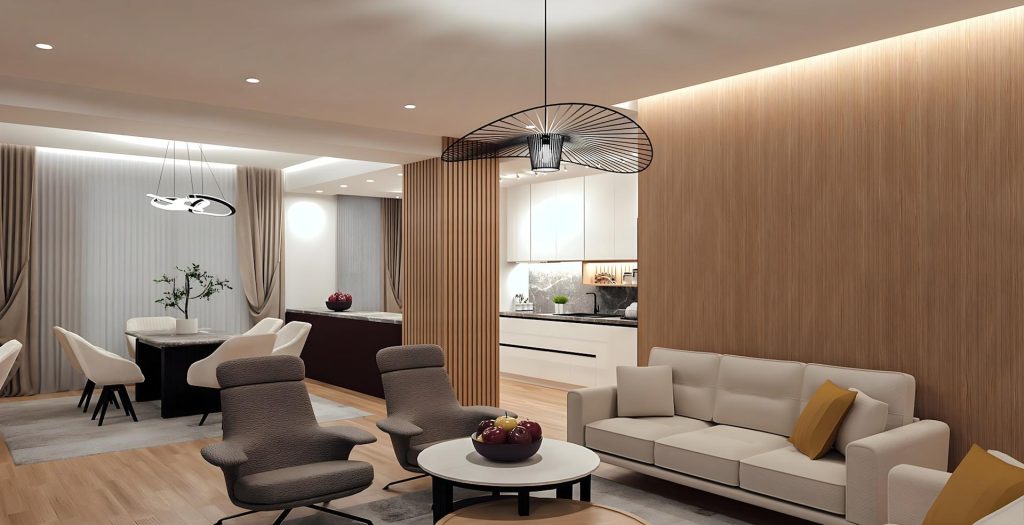
Trend-focused interiors tend to emphasize surface-level changes, colors, textures, decorative accents. While these can refresh a space quickly, they rarely address how the space functions.
When structure is treated as secondary, designs depend on constant updates to stay appealing. The moment a trend fades, the space loses its identity.
By contrast, interiors grounded in strong structure can absorb stylistic changes without losing coherence. Swap cushions, repaint walls, change lighting, but the core remains solid.
Structure Builds Emotional Comfort
There’s also an emotional dimension to structural design. People feel safer and more comfortable in environments that appear stable and well-considered.
According to the Design Council, good design isn’t just about appearance, it’s about how environments support everyday life. When objects and spaces behave as expected, they reduce stress and cognitive load.
In interior design, this means fewer visual questions and more intuitive use. Chairs feel supportive. Tables feel grounded. Storage feels secure. The space works with its occupants rather than demanding constant adjustment.
Longevity Is a Design Ethic
Designing for longevity isn’t just practical, it’s increasingly ethical. Furniture and interiors that last reduce waste, replacement cycles, and the need for constant consumption.
Structure-first design naturally supports this ethic. When pieces are built to endure physically and visually, they don’t need to be replaced simply because they’ve gone out of style.
This approach encourages people to invest thoughtfully, choosing items based on how they’re built rather than how loudly they announce themselves.
How to Recognize Structure-First Design
For homeowners and designers alike, recognizing structure-first design becomes easier with experience. A few guiding questions help:
- Can you tell how this piece is supported at a glance?
- Do the proportions feel balanced relative to its size and use?
- Would it still feel appropriate if surface trends changed?
If the answer is yes, the design is likely grounded in structure rather than style alone.
Why Structure Is the Quiet Constant
Style expresses personality. Structure expresses intention.
The interiors that last longest, both physically and emotionally, are those where structure leads and style follows. They don’t rely on decoration to justify themselves. They make sense first, and look good as a result.
In a world of fast-moving trends, structure offers continuity. It’s the reason some rooms feel settled rather than staged, and why certain pieces feel like they belong long after the moment that created them has passed.
When interior design is built from the ground up, style becomes flexible, but structure remains. And that’s what allows a space to truly last.


